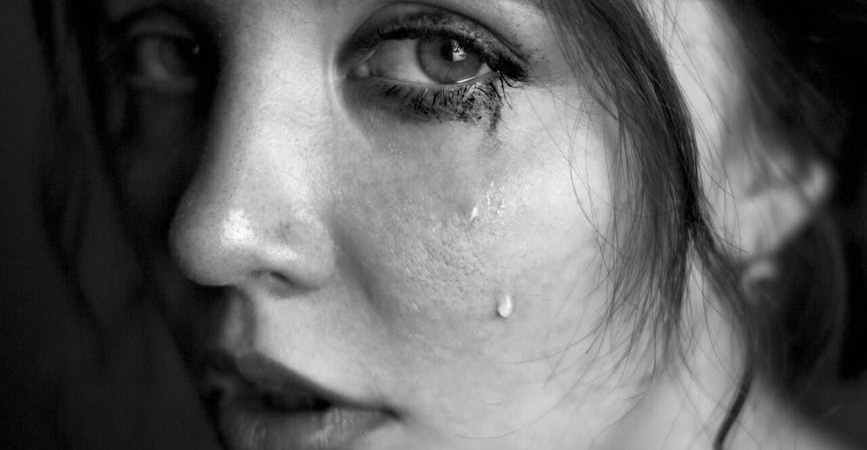
My White Elite Tears ~ scroll down to read in English ~
Er is online en offline veel gehuild om de verkiezingsuitslag en vele ‘witte elitetranen’ (ik las deze komische vondst ergens) zijn daarbij gelaten. Ik snap het goed, maar toch was ik al snel klaar met de jammerende commentaren. De verliezers mogen dan de queers, transmensen, immigranten en moslims zijn, een nog veel grotere verliezer vind ik de stemlozen: de dieren.
De enige partij die voor ze opkomt, de Partij voor de Dieren (PvdD), is sinds de laatste verkiezingen gehalveerd tot drie zetels in de Tweede Kamer. Omdat het zo ontzettend nodig is dat er voor de dieren in de bio-industrie blijvend aandacht gevraagd wordt, dat dierenlevens waar het maar kan verbeterd moeten worden in die helse industrie die de intensieve veeteelt is, en dat de strijd om dierenrechten niet mag verslappen, vind ik het een uiterst pijnlijk verkiezingsresultaat.
Bio-industrie is moderne slavernij
Het mag mooi en vooruitstrevend zijn wat voormalig Tweede Kamerlid, Sylvana Simons, namens de door haar opgerichte partij Bij1 voor elkaar heeft gekregen: de Nederlandse overheidsexcuses voor het slavernijverleden. Maar ondertussen steunen we iedere dag weer moderne vormen van slavernij met als koploper de bio-industrie.
Miljoenen subsidiegeld wordt in deze industrie gepompt en van 270 miljard aan EU-belastinggeld voor de periode 2023-2027 is opnieuw een groot deel voor de intensieve landbouw en veehouderij bestemd. Dat is 800 miljoen per jaar voor Nederlandse boeren. Nederlandse melkveehouders ontvangen jaarlijks maar liefst 350 miljoen euro aan EU-belastinggeld.
Met die honderden miljoenen aan subsidie worden miljoenen varkens, koeien en kippen gefokt en uitgebuit. En 500 miljoen van hen worden jaarlijks geslacht in Nederland voor economisch gewin.
We vinden dat de normaalste zaak van de wereld, net zoals het houden van tot slaaf gemaakte mensen dat ooit was. We gruwelen van de geschiedenis van de slavernij, maar we houden nog steeds een industrie in stand waar uitbuiting, mishandeling en vernietiging van voelende wezens de norm is.
Fors gestraft
De aanjagers van dierenwelzijn en ethisch besef hieromtrent zijn door de Nederlandse burgers op 22 november jl. fors gestraft door van de nieuwe slavernij weg te kijken. Met de kop diep in het zand. Als dat geen verontwaardiging en verdriet waard is. Dáár laat ik nou mijn ‘witte elitetranen’ voor.
Helemaal nu er mogelijk een coalitie tussen PVV, NSC, BBB en VVD gevormd gaat worden, stemt het vooruitzicht niet bepaald vrolijk. PVV steunde vaak de moties van de PvdD. Maar de agro-voorvrouw van de BBB heeft al aangegeven niet met Geert Wilders te willen samenwerken als hij ‘dat zielige dieren-beleid’ blijft steunen en daarmee de boeren dwarszit. Van Pieter Omtzigt’s partij hoeven we ook niets te verwachten als het om de dieren in de bio-industrie gaat. Er stroomt te veel CDA-bloed door de beste man. En de VVD tenslotte is alleen geïnteresseerd in het dier als het wat oplevert.
Beschavingsoffensief
De resterende drie aanjaagsters van de Partij voor de Dieren zullen moeten blijven knokken om dierenwelzijn op de politieke agenda te krijgen en te behouden. In wezen is het een beschavingsoffensief. Mededogen voor de meest kwetsbaren op de wereld zal de kans op mededogen voor de medemens doen toenemen. Het opkomen voor dieren is daarom geen elitair of luxe gebeuren, zoals sommigen beweren, maar het is het startpunt van beschaving.
Mahatma Gandhi (1869-1948) zei al decennia geleden: ‘De beschaving van een samenleving valt af te meten aan de wijze waarop ze omgaat met dieren’.
Vorige week moesten er weer 110.000 kippen worden ‘geruimd’ vanwege een nieuwe vogelgriep-uitbraak bij een leghennenbedrijf in Putten. “Een zware klap voor de ondernemer en een klap voor de hele pluimveesector in Putten”, zei de burgemeester aldaar. Nou enorm. Het feit dat zo gruwelijk veel levende wezens op elkaar gepropt worden gehouden uit puur winstbejag, vaak met bezweken, wegrottende soortgenootjes naast hen, doet niet terzake. Wat is een beschaving van een samenleving waard als dat de normaalste zaak van de wereld is?
Concentratiekampen werden/worden gecreëerd voor groepen mensen die men ontmenselijkt(e). Hetzelfde geldt voor de dieren in mega-stallen. Ze zijn niets meer dan nummers, geen voelende wezens meer. Bij elkaar gezet en uitgebuit. Wie komt voor ze op?
Juist.
Proces van ontmenselijking
“Auschwitz begint telkens wanneer iemand naar een slachthuis kijkt en denkt: het zijn maar beesten,” schreef filosoof Theodor Adorno. Hij stelde dat mensen anderen – de ondergewaardeerden – degraderen, uitbuiten en moedwillig vermoorden, zodra ze als ‘dierlijk’ worden beschouwd. Dat is het proces van ontmenselijking. Genociden kunnen plaatsvinden wanneer we andere groepen als aanzienlijk minder menselijk beschouwen dan onszelf en de groep waartoe we behoren.
Ontmenselijking (het tot dier maken) van degenen die niet tot onze groep behoren, kunnen we pas begrijpen als we beter begrijpen hoe we over dieren denken. Vanuit psychologisch perspectief delen ons denken over dieren en over andere groepen mensen dezelfde grondbeginselen: een gevoel van superioriteit, macht en onderdrukking, en een weerstand tot het veranderen van maatschappelijke gewoonten en levensstijl. Dat blijkt onder meer uit een studie ‘Psychological implications of undervaluing animals: dominance-based ideologies and systems of oppression’ van Gordon Hodson, hoogleraar psychologie, werkzaam aan de Brock University in Canada.
Dieren worden als minderwaardig gezien ondanks wetenschappelijke onderzoeken, waarin sterke gelijkenissen tussen mens en dier zijn aangetoond. Daarom kan de bio-industrie bestaan. Het dier als bezit en tot slaaf gemaakt van de mens.
Bescherming krijgen zij die binnen worden gesloten in onze cirkel van zorg. Dat is inclusie, een belangrijk thema van de progressieve politiek. Voor wie geldt dat? Ook voor de dagelijks 1,7 miljoen kippen, varkens, geiten, schapen, kalfjes en koeien die een ellendig leven hebben om uiteindelijk op jouw of op een buitenlands bord te belanden? Klinkt vast belachelijk. Maar is het nog steeds belachelijk om onszelf die vraag te stellen nu bekend is dat uitsluiting van groepen mensen begint bij het onderwaarderen van dieren?
Om die reden is er na de politieke verschuiving van 22 november jl. nog meer werk aan de winkel dan men kon vermoeden.
For my English readers:
My White Elite Tears
There has been much crying online and offline in the Netherlands over the latest Dutch elections (a drastical shift to the national-right), and many ‘white elite tears’ (I read these comical words somewhere) have been shed in the process. I understand where it comes from, but soon I had more than enough of all the wailing comments. Those who have lost may be the queers, trans people, immigrants and Muslims, but I think those who lost dramatically are the voiceless: the animals.
The only party that stands up for them, the Party for the Animals (PvdD), has been bisected to three seats in Dutch parliament since the last elections. Because it is so incredibly necessary that permanent attention is drawn to the animals in the factory farms, that animal lives must be improved wherever possible in that hellish industry that is intensive animal farming, and that the fight for animal rights must not slacken, I find it a painful outcome
Intensive animal farming is modern slavery
It may be wonderful (and progressive) what former Member of Parliament, Sylvana Simons, accomplished on behalf of the left-wing party, Bij1, she founded: Dutch government apologies for the slavery past. But meanwhile, every day we support modern forms of slavery with intensive animal farming at the forefront.
Millions of subsidy money is pumped into this industry and of 270 billion in EU tax money for the period 2023-2027, a large part is again earmarked for intensive agriculture and livestock farming. That’s 800 million a year for Dutch farmers. Dutch dairy farmers receive as much as €350 million a year in EU tax money (source: Volkskrant and Dier & Recht).
With those hundreds of millions in subsidies, millions of pigs, cows and chickens are raised and exploited. And 500 million of them are slaughtered annually in the Netherlands for economic profit.
We think that is the most normal matter in the world, just as keeping enslaved people once was. We abhor the history of slavery, but we still maintain an industry where exploitation, torture, and destruction of sentient beings is the norm.
Severe punishment
The driving forces of animal welfare and ethical awareness in this regard were severely punished by the Dutch citizens on Nov. 22 by looking away from this new slavery. With their heads deep in the sand. Yes, that’s indignation and sorrow worthy, and that’s why I shed my ‘white elite tears’.
Especially with the possible formation of a coalition between PVV, NSC, BBB and VVD, the prospect is not exactly cheerful. The national-right-wing party PVV often supported the motions of the PvdD. But the conservative-right farmers party, BBB’s agribusiness frontwoman has already indicated she does not want to work with Geert Wilders if he continues to support “that pathetic animal policy”, thus thwarting farmers. We can’t expect anything from Pieter Omtzigt’s conservative party NSC either when it comes to the animals in factory farms. Too much CDA blood flows through the best man. And the liberals of VVD are only interested in the animal if it brings profit.
Civilization offensive
The three remaining members of parliament of the Party for the Animals will have to keep fighting to get and keep animal welfare on the political agenda. Essentially, it is a civilization offensive. Compassion for the world’s most vulnerable will increase the likelihood of compassion for fellow human beings. Therefore, standing up for animals is not an elitist or luxury matter, as some may claim, but it is the starting point of civilization.
Mahatma Gandhi (1869-1948) said decades ago: ”The civilization of a society can be measured by the way it treats animals.”
Last week another 110,000 chickens had to be “culled” because of a new bird flu outbreak at a chicken farm in Putten, the Netherlands. “A huge crash to the entrepreneur and for to the entire poultry industry in Putten,” said the mayor there. Well huge right. The fact that an absurd amount of living creatures are kept crammed together for pure profit, often with succumbed, road-rotted peers beside them, is irrelevant. What is worth a civilized society when that is the most normal issue in the world?
Concentration camps were/are created for groups of people who have been dehumanized. The same goes for the animals in factory farms. They are nothing more than numbers, no longer sentient beings. Put together and exploited. Who will stand up for them?
Right.
Process of dehumanization
“Auschwitz begins every time someone looks at a slaughterhouse and thinks: they are just animals,” wrote philosopher Theodor Adorno, arguing that people degrade, exploit and wilfully kill others – the undervalued – as soon as they are considered “animal”. That is the process of dehumanization. Genocides can occur when we regard other groups as significantly less human than ourselves and the group to which we belong.
Dehumanizing those who do not belong to our group cannot be understood until we better understand how we think about animals. From a psychological perspective, our thinking about animals and about other groups of people share the same basic principles: a sense of superiority, power and oppression, and a resistance to changing social customs and lifestyle. This is shown in part by a study “Psychological implications of undervaluing animals: dominance-based ideologies and systems of oppression” by Gordon Hodson, professor of psychology working at Brock University in Canada.
Animals are seen as inferior despite scientific studies showing strong similarities between humans and animals. This is why intensive animal farming can exist. The animal as property and enslaved to man.
Protection is given to those who are closed inside our circle of care. That’s inclusion, a major theme of progressive politics. Inclusion of whom? Including the 1.7 million chickens, pigs, goats, sheep, calves and cows that live miserable lives every day, only to end up on your or some foreign country’s plate? This probably sounds ridiculous, right?
But is it still ridiculous to ask ourselves that question, now we know that exclusion of groups of people starts with undervaluing animals?
For that reason, after the extreme Dutch political shift of last November there is even more work to be done than one could have imagined.
~
Published in Dutch on International Human Rights Day.
Human Rights aren’t enough!
~
Con Amor,
Eva
★ Would you like to support my articles?
You can do so here: evalunes.backme.org to subscribe or just a small one-time donation
or on Reporters Online for this article (below).
Thank You! ♡

 ☆evalunes